Did you know...
$118,074
Average salary (2025-2026 Compensation Survey, Genium360)
4 years
Duration of the bachelor’s degree in bioresource engineering
4 areas of focus
Food and bioprocess engineering, water and soil engineering, agricultural engineering, and bio-environmental engineering
A revamped program
Here, we integrate today’s environmental challenges into traditional agricultural engineering. Find the area that speaks to you: water and soil, bio-environmental, food and bioprocess, or agricultural.
An international carreer
NGOs and international development organizations actively recruit in this field.
From the lab to the field
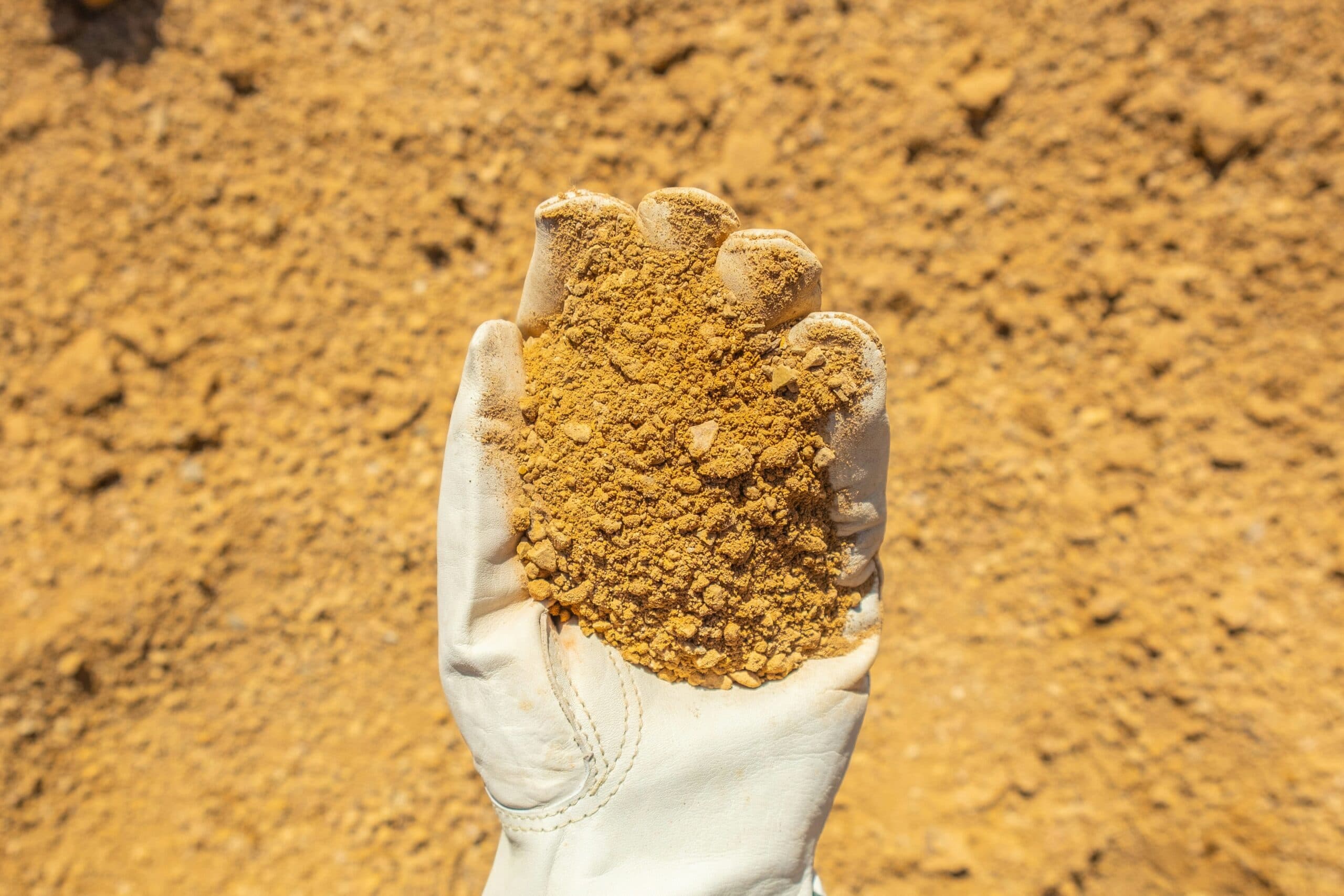
Soil analysis, water management, renewable energy—your work has real-world impact.
What the job really looks like
As a bioresource engineer, you’ll design sustainable solutions to better manage natural resources and reduce environmental impact.
- Plan, develop, and implement projects aimed at reducing waste in the environment, rehabilitating contaminated sites, and developing sustainable production systems.
- Perform technical analyses of survey data to obtain information on topography, soil, hydrology, and other factors, and draft technical reports.
- Participate in the development of alternative renewable energy sources that meet our energy needs while reducing negative environmental impacts.
- Plan, coordinate, and manage wastewater and agricultural waste treatment processes.
Source: REPÈRES, the official school and career information website (in French)
What the job really looks like
What the job really looks like
As a bioresource engineer, you’ll design sustainable solutions to better manage natural resources and reduce environmental impact.
- Plan, develop, and implement projects aimed at reducing waste in the environment, rehabilitating contaminated sites, and developing sustainable production systems.
- Perform technical analyses of survey data to obtain information on topography, soil, hydrology, and other factors, and draft technical reports.
- Participate in the development of alternative renewable energy sources that meet our energy needs while reducing negative environmental impacts.
- Plan, coordinate, and manage wastewater and agricultural waste treatment processes.
Source: REPÈRES, the official school and career information website (in French)
What the job really looks like
As a bioresource engineer, you’ll design sustainable solutions to better manage natural resources and reduce environmental impact.
- Plan, develop, and implement projects aimed at reducing waste in the environment, rehabilitating contaminated sites, and developing sustainable production systems.
- Perform technical analyses of survey data to obtain information on topography, soil, hydrology, and other factors, and draft technical reports.
- Participate in the development of alternative renewable energy sources that meet our energy needs while reducing negative environmental impacts.
- Plan, coordinate, and manage wastewater and agricultural waste treatment processes.
Source: REPÈRES, the official school and career information website (in French)